San Diego | Riverside | Orange County | info@theinspectorscompany.com | Hablamos Español

7 Common Problems Found in Pool Inspections


Pools are amazing — a splash of fun, a weekend hangout spot, and sometimes a magnet for floating toys you’ll never see again. But as every pool owner knows, they can be quite tricky to take care of. Pools require regular upkeep and monitoring to stay fun and functional, and it can be a bit tricky to know what to look out for when it comes down to it.

Many people in the Coronado area turn to hiring a home inspection company to evaluate their pool. A wise choice if you ask us. A professional pool inspection can save you headaches, cash, and maybe even your favorite pool floaty. Keep reading to find out what the most common issues in pools are.

What does a pool inspection cover?

coronado home inspectionPool inspections go way beyond making sure the water looks clear. And while professionals won’t dismantle equipment, they will carefully look for potential defects and their causes. After the evaluation, you’ll receive a full report of your pool’s state: 


  • All findings: This part shows anything the inspector noticed that could cause trouble later. Think cracks in the pool, worn-out pumps or filters, or plumbing issues like leaks. It’s basically a heads-up about anything that might need fixing down the road.
  • Additional comments: Here, professionals note smaller things that aren’t urgent but are good to be aware of. Maybe some faded tiles, minor surface wear, or little bits of debris. They might also mention the overall condition of the pool area.
  • Recommendations: Based on what they saw, inspectors give tips on what to fix, maintain, or upgrade. These suggestions help keep your pool safe, working properly, and looking great for years to come.


Most common pool issues


1. Cracks or structural damage 

Small cracks in the shell or tiles can worsen over time.


2. Malfunctioning pumps or heaters

Equipment that doesn’t operate correctly reduces efficiency and causes damage to other components.


3. Filter issues

Clogged or broken filters can compromise the water quality.


4. Leaks in plumbing

Hidden leaks can lead to water loss and increased utility bills.


5. Electrical system concerns

Pool equipment often relies on older wiring or connections that are potentially unsafe.


6. Insufficient or damaged safety features

Fences, gates, or pool covers that are not up to code can pose numerous risks.


7. Debris accumulation from nearby structures

Leaves, dirt, and debris from roofs or trees can damage the pumps and filters if they’re not monitored.


How other issues impact pools

coronado home inspectionInspectors can also identify issues similar to those found during broader investigations for the entire home. For example, aging electrical systems can cause problems, and damaged insulation can lead to energy loss—both of which your pool relies on to function properly. If your pool is positioned close to the house, don’t forget to regularly inspect your roof as well. Leaves, dirt, and debris can fall into the pool, where they may damage the pump and filters.

While visiting a local pool or strolling through Centennial Park is nice, wouldn’t you prefer to relax in your own pool? These inspections help keep you on top of things, so you can properly prepare your pool for your next party!

How Do I Schedule a Home Inspection in Coronado?

Pools are meant to be fun and relaxing. The best way to make sure yours is ready for your enjoyment is by booking with a professional inspection company in Coronado, which is where we come in. 

With The Inspectors Company, your pool gets the VIP treatment. From equipment checks to a thorough visual evaluation and a complete inspection report, you’ll know exactly what’s working and what needs attention. Protect your investment, prevent surprise repairs, and keep your pool a safe, fun oasis. Schedule your visit today, your floaties will thank you.


Tips for After-Storm Roof Care: What to Check


When a storm rolls through, it can leave behind more than puddles and debris. Believe it or not, there is often damage that cannot be seen at first glance, and the roof is usually the part that bears the brunt of it. Strong winds, heavy rain, and flying branches make it nearly impossible to examine it before the skies clear properly. But once they do, it is essential. A prompt inspection done by professionals can prevent minor issues before they escalate into costly repairs.

In this blog, we’ll walk you through what to look for after a storm, including visual cues you can check on your own, how to recognize signs of wind damage, and why scheduling a professional home inspection in Coronado should always follow your initial evaluation.

How to visually inspect a roof?

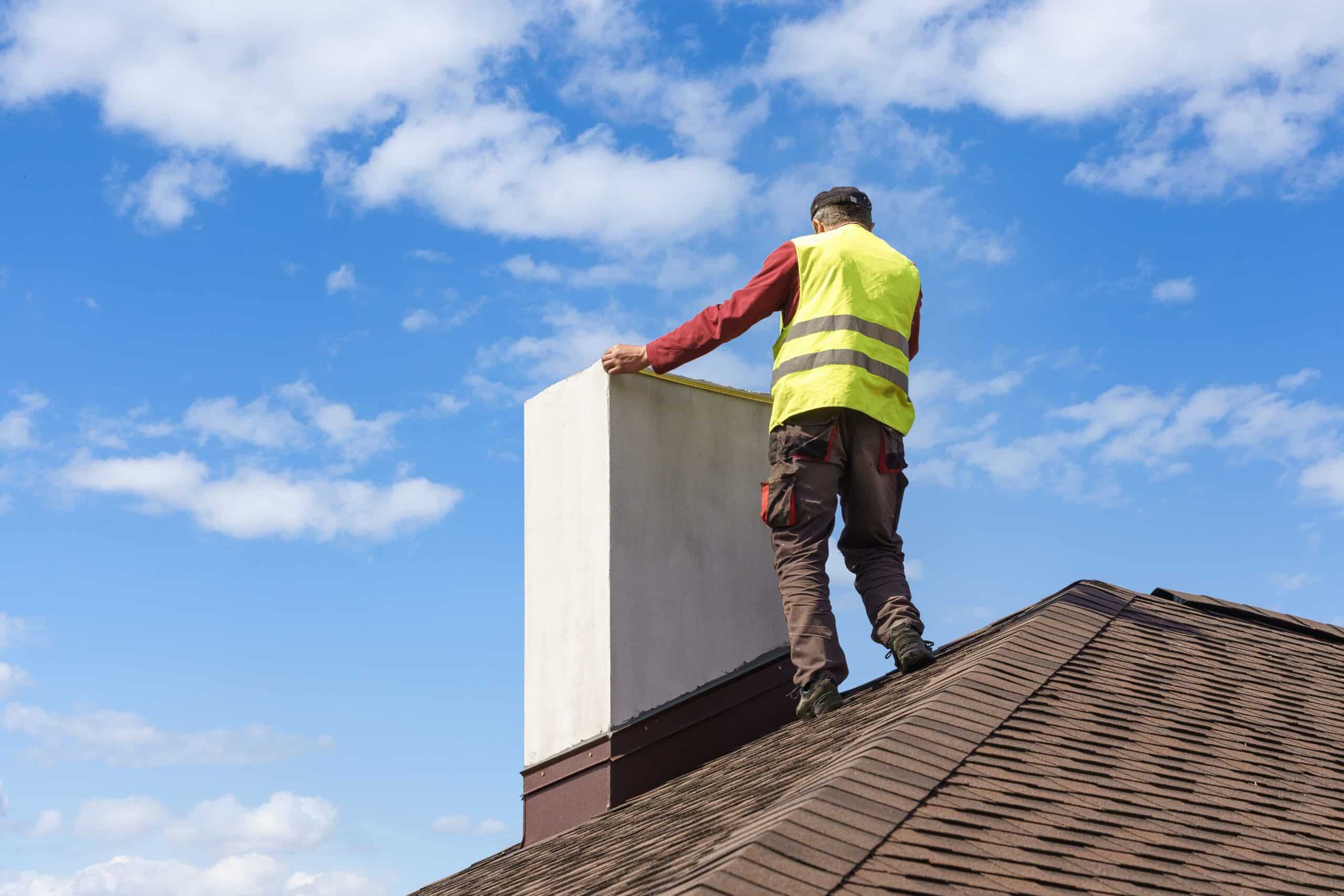
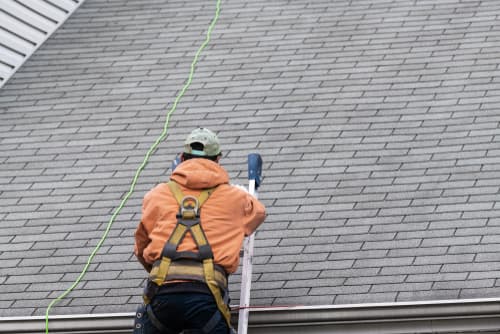
home inspection coronadoThe first step after a storm is to conduct a thorough visual evaluation of your roof from the ground. This may sound difficult, but you can get by using binoculars or a camera with zoom. These tricks allow you to scan without climbing up and putting yourself at potential risk. Here’s what you should focus on:
 

1. Shingles and tiles

Look for pieces that are cracked, curled, lifted, or missing entirely. Even a single broken shingle can expose the underlayment to moisture.


2. Roof edges and ridges

These are more vulnerable to uplift during storms and may show early signs of wear.


3. Flashing around chimneys and vents 

Loose or bent flashing creates an easy entry point for leaks.


4. Gutters and downspouts

Check for clogging caused by storm debris, which can force water under the roofline.

What’s visible on the surface doesn’t tell the whole story. Just as property inspectors uncover hidden issues like electrical hazards or outdated insulation, many roofing problems are invisible to the untrained eye. It may look fine from the ground, but your roof could be compromised underneath. For that reason, a professional home evaluation is crucial for complete peace of mind, complementing your own visual inspection.

How to tell if a roof is damaged by wind?

Wind damage can be sneaky. Unlike the obvious broken branches or shattered windows, the signs on your roof aren’t always that clear. You should look out for:


1. Lifted or loosened shingles 

While they may still appear in place, they can flap or completely detach over time.


2. Granule loss 

Check your gutters for excessive granules, which suggest that your shingles’ protective layer has, sadly, worn away.


3. Water intrusion inside the home

Stains on ceilings or walls after a storm are often linked to hidden roof damage.


4. Debris impact points

Branches and other flying objects can leave dents, cracks, or punctures that weaken the surface.

home inspection coronado

Coastal areas like Coronado are tricky. Strong gusts of wind can peel at vulnerable sections of roofing in ways that aren’t obvious right away. In areas near landmarks like Coronado Ferry Landing, trees and structures may shift wind patterns, but the key takeaway is always to have a professional inspection if you want to identify any damage.

It’s the same principle applied in other areas of inspection. For instance, just as a pool inspection may reveal structural issues you can’t see, or an insulation review can highlight where your home is losing energy, a storm-related roof investigation can uncover damage before it turns into an emergency repair.

Who do I contact for a home inspection in Coronado?

As you know by now, catching roof damage is essential for protecting your home. A visual inspection is helpful, but only a professional can perform a comprehensive home inspection that documents both visible and hidden issues, and do so in a safe manner.

That’s why we at The Inspectors Company ensure your roof and property remain secure, covering a wide range of services, including pre-listing, buyer, mobile home, and even mold inspections. Schedule your visit today and enjoy peace of mind knowing your home is safe.

When HVAC Systems Work Against You: Mold, Dust, and Allergen Concerns


Heating and cooling systems are designed to bring comfort, but sometimes they unintentionally contribute to health problems indoors. Aging ductwork, trapped moisture, or accumulated dust can all impact air quality. Mold spores, allergens, and fine particles often spread through vents, leaving families with respiratory irritation or lingering odors. 

The trouble is that these issues usually go unnoticed until they start affecting health. That’s why taking a good look at your property with Rancho Santa Fe home inspectors is essential. Understanding how to evaluate and test your HVAC system helps uncover problems early and ensures your system is helping, not harming.

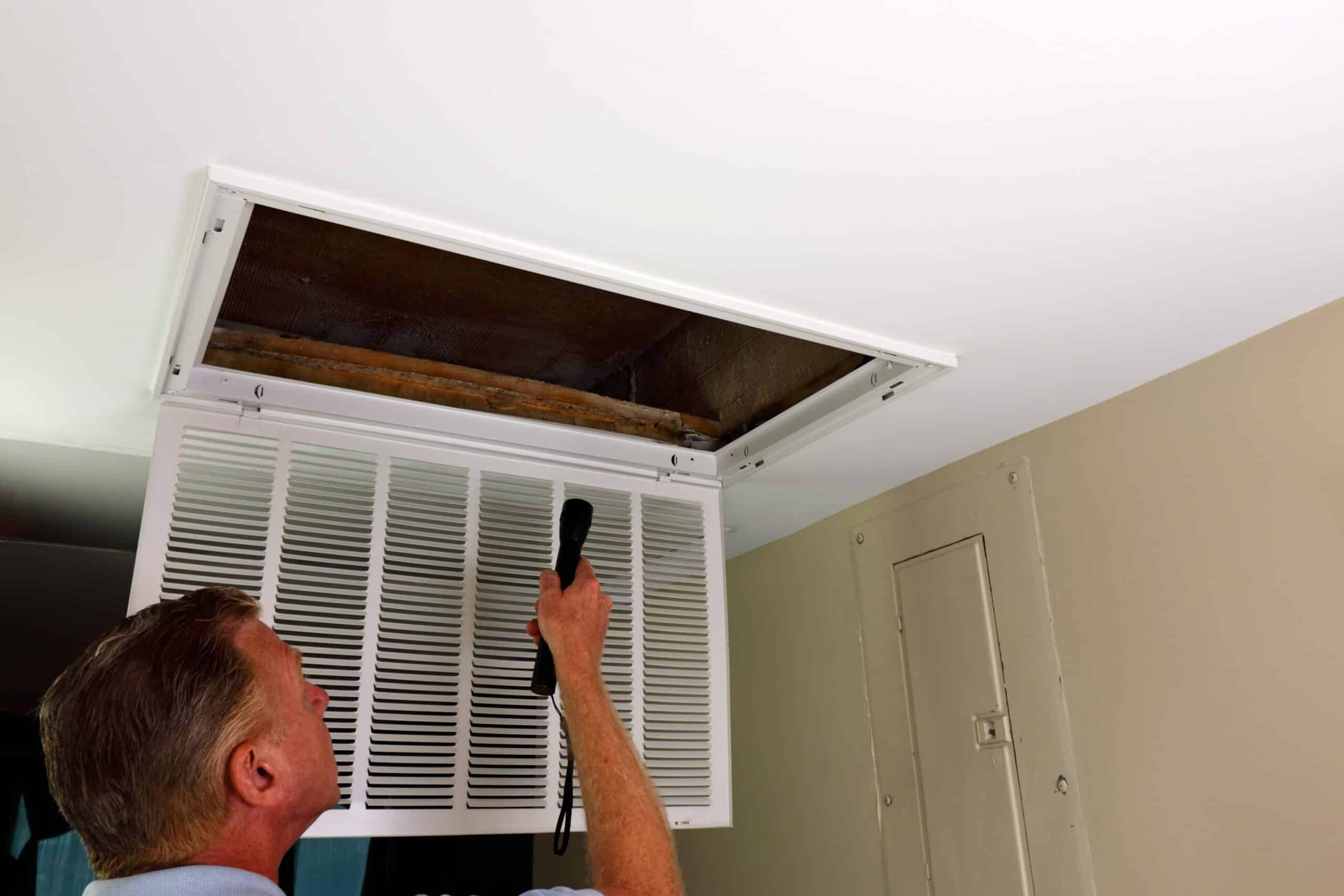
What is air duct testing?what is air duct testing

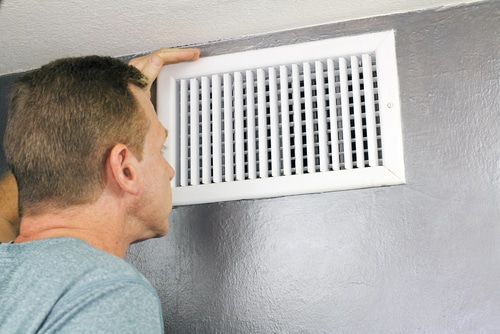
Air ducts are hidden behind walls and ceilings, which makes it hard to know what condition they’re in. That’s where air duct testing comes in. This process checks for leaks, buildup, and airflow problems that might affect indoor comfort or spread contaminants. When it comes to dust, mold, and other allergens, a thorough seasonal home assessment can make sure your HVAC systems are ready for allergy-rich months. By measuring pressure, air loss, and overall performance, duct testing pinpoints weaknesses that need attention.

Why it matters for indoor air quality

Leaky ducts don’t just waste energy — they also pull in dust, insulation fibers, or even outdoor pollutants. Once contaminants enter, the HVAC system circulates them through the entire property. Testing helps identify and seal these leaks, creating a cleaner, more efficient system. This means fewer allergens floating around and a healthier breathing environment.

How professionals test air ducts

Technicians typically use specialized equipment like a blower door or duct blaster to pressurize the system. They measure airflow loss and detect problem spots in the ductwork. The process is straightforward, noninvasive, and provides clear results that guide repairs. With accurate testing, you can stop guessing about air quality and know where improvements are needed.

How to detect mold in air?

Mold often hides in places you can’t see — inside ducts, behind walls, or around moisture-prone areas. Detecting it in the air requires careful evaluation. Identifying mold early is important because exposure can trigger allergy-like symptoms, worsen asthma, and even cause long-term respiratory issues. There are several reliable ways to determine if airborne mold is present.

Professional air sampling

Air sampling is one of the most accurate methods for confirming mold. A technician collects air samples from different areas and compares them to outdoor baselines. This reveals whether spores are at elevated levels indoors. Lab analysis identifies the exact type of mold, helping guide remediation and prevention strategies.

Signs of mold in air systems

There are also everyday signs that hint mold may be circulating:

  • Musty odors: A persistent, earthy smell often signals mold growth.
  • Increased allergies: Sneezing, watery eyes, and coughing that worsen indoors.
  • Visible growth near vents: Dark or fuzzy patches around ducts or registers.
  • Humidity issues: Excess indoor moisture creates the perfect environment for mold.

Ongoing monitoring options

Beyond sampling, ongoing monitoring with humidity sensors and periodic inspections ensures mold doesn’t return. Since HVAC systems can both spread and conceal mold, pairing air testing with duct evaluations offers a fuller picture. Preventive maintenance, including regular filter changes and moisture control, also reduces the risk of recurrence.

Who are Rancho Santa Fe’s leading home inspectors?how to detect mold in air

Airborne mold, leaky ducts, and hidden allergens don’t have to be a mystery. With the right testing services, you’ll know exactly what’s in your air and how to address it. At The Inspectors Company, we give detailed evaluations that highlight problems early, giving you the chance to improve comfort and health before issues escalate. Whether it’s reliable chimney and sewer line evaluations or making sure your ADU is up to standard, our team in Rancho Santa Fe is just one quick call away from ensuring your property is safe and efficient. From your neighborhood to other locations like Cardiff-by-the-Sea, you can count on us. Reach out today!

The Hidden Value of Sewer Scope and Chimney Inspections


Property maintenance isn’t just about what you see at first glance. As experienced home inspectors in Rancho Santa Fe would tell you, hidden systems, like chimneys and sewer lines, can create major problems if left unchecked, and this part of the home is often overlooked. A blocked flue or cracked underground pipe doesn’t just affect comfort. It can also put safety and finances at risk, making chimney and sewer scope inspections essential for having a safe home and long-term efficiency. They uncover issues early, prevent emergencies, and give you peace of mind about your property’s true condition.

What is involved in a chimney inspection?

It’s common to wonder what actually happens during a chimney evaluation. The process is designed to identify hazards,

what is involved in a chimney inspection

 ensure proper ventilation, and confirm that the structure is sound. Whether you are getting ready for a seasonal home inspection or taking a thorough look at your Accessory Dwelling Unit, it’s good to know what to expect. 

From basic visual checks to more detailed reviews, chimney inspections follow a systematic approach that prioritizes safety and functionality. Let’s break down what’s typically included in these services.

Level 1 evaluation

A Level 1 inspection is the simplest form, often performed as part of routine maintenance. It involves examining readily accessible areas inside and outside the chimney for visible damage, buildup, or obstructions. This type of check is suitable when no major changes have been made to the system and there have been no recent issues reported.

Level 2 evaluation

Level 2 is more in-depth and is generally required during property sales or after modifications to the heating system. This process includes video scanning of the flue and an assessment of spaces connected to the chimney, such as attics or crawl spaces. It provides a clearer picture of potential hidden issues without dismantling the structure.

Level 3 evaluation

When serious damage or safety hazards are suspected, a Level 3 inspection is recommended. This advanced approach may involve removing sections of the chimney or surrounding construction to gain full access. Though more invasive, it’s sometimes the only way to detect problems like severe cracking, fire damage, or concealed blockages.

What is the purpose of the sewer scope?

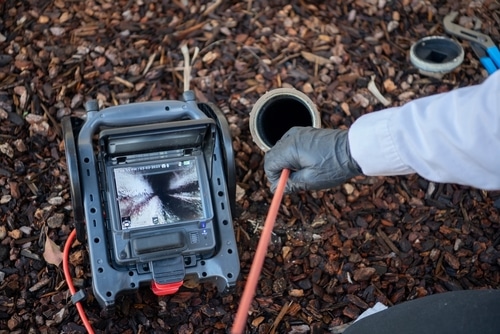
Sewer lines are buried underground, which makes it impossible to spot problems until symptoms appear. A sewer scope inspection provides a clear look inside those pipes using a specialized camera. It’s a proactive way to identify concerns like blockages, corrosion, or invasive tree roots. Understanding the purpose of a sewer scope helps property owners avoid costly repairs and protect long-term plumbing performance.

Identifying underground problems

A sewer scope reveals the exact condition of the main line, spotting issues long before they cause backups. This can include cracked pipes, separated joints, or buildup that restricts flow. By locating problems early, repairs can be planned and targeted, saving time and preventing disruptive emergencies.

Benefits for buyers & owners

Both buyers and current owners benefit from this inspection. For buyers, it provides negotiating power if repairs are needed. For owners, it offers reassurance that their plumbing system is working as it should. The peace of mind it delivers often outweighs the cost of the service itself.

Common issues found

During a sewer scope, technicians often encounter recurring problems. These include:

  • Tree root intrusion – Roots enter through small cracks and expand inside the pipe.
  • Corrosion or scaling – Aging materials like cast iron can deteriorate over time.
  • Blockages – Grease, wipes, or debris can accumulate and restrict flow.
  • Pipe collapse – Shifting soil or age may cause sections of pipe to cave in.

Who are the most reliable home inspectors in Rancho Santa Fe?

what is the purpose of the sewer scope

Chimney and sewer scope inspections provide clarity about critical systems that are easy to overlook. By uncovering hidden issues, they help you avoid sudden emergencies, costly repairs, and unnecessary stress. Whether it’s testing HVAC ducts and detecting airborne pollutants or any other home evaluation service, The Inspectors Company is here to ensure your home is safe with a thorough, honest assessment.

Our team delivers detailed, reliable evaluations that keep your property safe and functional. Whether you’re preparing to buy, sell, or simply maintain your investment in Rancho Santa Fe or  a nearby location like Solana Beach, we’re here to help. Contact us today to book your inspection and take the guesswork out of property care.

When to Walk Away After a Home Inspection


A home inspection can reveal a lot about a property—some findings are manageable, while others may raise serious red flags. Knowing when to walk away is just as important as knowing when to negotiate. 

If you’re buying a home, a thorough house inspection in Central San Diego can uncover hidden issues that impact safety, cost, or long-term value. While not every flaw should be a deal-breaker, certain problems may justify rethinking the purchase. In this guide, we’ll explore the situations where walking away after a home inspection is the smartest decision you can make.

How do you know when to walk away from a house?Looking for a trusted house inspection in Central San Diego

Here are some key situations where reconsidering the purchase after a home inspection might be the wisest choice:

1. Major structural issues

Structural problems—such as foundation cracks, significant wall movement, or sagging roofs—can be incredibly expensive to repair and may indicate ongoing settlement or design flaws. These issues often require the expertise of engineers or major renovation work. If the inspection uncovers serious structural damage and the seller isn’t willing to address it, walking away could save you from a financial burden down the road.

2. Extensive mold or water damage

Mold is more than just an unpleasant sight; it can indicate long-standing moisture problems and pose health risks, especially to those with allergies or respiratory conditions. Water stains, warped flooring, or a musty smell can be signs of previous leaks or ongoing moisture intrusion. If mold or water damage is widespread and not fully disclosed or remediated, it may be wise to reconsider the purchase.

3. Outdated or dangerous electrical systems

Faulty wiring, overloaded panels, or outdated electrical systems (such as knob-and-tube or aluminum wiring) can be both a fire hazard and a costly fix. If the home’s electrical system is unsafe or not up to modern standards, the repair costs may be substantial. Electrical upgrades often require permits and professional work, so it’s important to assess whether you’re ready to take that on—or walk away.

4. Roof or HVAC systems at the end of their life

A roof or HVAC system that needs immediate replacement can cost thousands of dollars. If these systems are nearing the end of their usable life and the seller isn’t offering any credit or willingness to replace them, you’ll need to factor in those future costs. If the price and condition no longer align, walking away may be a smarter financial move.

5. Pest infestation or damage

Termites and other wood-destroying pests can quietly cause extensive structural damage. An inspection may reveal signs of infestation, past or present, that need immediate treatment. Depending on the severity, pest damage can require major repairs. If the damage is significant or the infestation is active, it’s often a deal-breaker.

6. Seller refuses to negotiate or disclose

Sometimes, the issues uncovered during an inspection aren’t the biggest problem—the seller’s response is. If the seller is unwilling to negotiate, make necessary repairs, or offer credits, it may indicate a lack of transparency or unwillingness to work toward a fair deal. That alone can be a reason to walk away.

How-do-you-know-when-to-walk-away-from-a-houseLooking for a trusted house inspection in Central San Diego?


Whether you’re not sure what to do after a home inspection, want to find out how long it takes to complete it, or wondering what exactly the home inspector will check, The Inspectors Company is here to help. With a trusted crew and years of expertise, we deliver detailed evaluations for your peace of mind. No matter if you’re in Little Italy or across SD, we’ll be there to help. Call today!

What Happens After the Home Inspection? Your Next Steps Explained


A home inspection is a pivotal part of the buying or selling process, offering valuable insight into the property’s condition. But what comes next after the inspection is complete? Whether you’re the buyer or seller, understanding your next steps can help you move forward with clarity and confidence. 

A Central San Diego home inspection provides a detailed report, but it’s what you do with that information that truly matters. In this guide, we’ll break down what to expect after the home inspection is done.

What to do after an inspection?What to do after an inspection

From negotiating repairs to finalizing paperwork, this stage can shape the outcome of your real estate transaction:

1. Review the inspection report carefully

After the home inspection, you’ll receive a detailed report outlining the home’s condition, including both major concerns and minor issues. This document may include photos, notes, and recommendations for repairs or further evaluation. Take your time to review the report thoroughly. Don’t panic over a long list—many findings are common and not deal-breakers.

2. Consult with your real estate agent

Your agent plays a key role in interpreting the results and guiding you through the next steps. They can help you prioritize which issues are most important, and suggest reasonable repair requests or negotiation strategies. Their experience is especially helpful when it comes to determining what’s standard in your local market.

3. Decide how to respond

Buyers typically have a few options after an inspection:

  • Accept the home as-is if no major concerns are present.
  • Request repairs for specific issues, especially those that affect safety, structure, or functionality.
  • Ask for credits or a price reduction to offset the cost of repairs.
  • Walk away if serious problems are discovered and an agreement can’t be reached.

Sellers can respond by agreeing to the requests, offering compromises, or declining to make changes. The key is open communication and flexibility.

4. Negotiate repairs or credits

This is often the most delicate part of the post-inspection phase. Buyers may ask the seller to fix certain problems or offer a credit so the buyer can handle the repairs themselves. Sellers might be willing to address some concerns but not others. It’s essential for both parties to be realistic and focus on major items like electrical issues, roof damage, plumbing leaks, or HVAC problems.

5. Schedule additional inspections if needed

If the inspector flagged areas that require specialist evaluation—such as mold, foundation, or roof concerns—you may need to bring in additional professionals. These follow-up inspections can clarify the scope and cost of repairs, helping you make a more informed decision.

6. Finalize the agreement

Once both sides agree on how to handle the findings, the purchase agreement can be updated accordingly. Any credits or repairs should be documented clearly. Buyers should also ensure they’re still comfortable moving forward with the purchase based on the final terms.

7. Prepare for closing

After the negotiations are complete, you can move forward with the rest of the closing process. This includes securing final loan approval, completing paperwork, scheduling a final walk-through, and preparing for the official closing date.

Who in Central San Diego provides reliable home inspection?

Who in central san diego provides reliable home inspection

If you’d like to learn more about what exactly a home inspector looks for or how long inspections usually take, you can trust our professionals at The Inspectors Company to provide you with all the necessary information and a premium-quality service. Whether you need us in Cortez Hill or another nearby neighborhood, you can count on our experts. Give us a call today and find out why we’re the best at what we do!

Laws & Home Inspections: All You Need to Know


Understanding the legal aspects of home inspections is essential, whether you’re buying, selling, or maintaining a property. Home inspections play a critical role in identifying structural issues, safety hazards, and code violations before they become costly problems. Various state and local laws regulate what must be disclosed and how inspections should be conducted. 

Working with experienced home inspectors in Ocean Beach, CA ensures you’re not only getting a thorough evaluation but also staying compliant with local regulations. In this guide, we’ll explore the key legal considerations, rights, and responsibilities involved in the home inspection process to help you make informed decisions.

What is the law about home inspections in California?

In California, home inspections are an essential part of real estate transactions, governed by both state law and professional standards to protect buyers and sellers. While not legally required, home inspections are strongly encouraged and often expected in most residential real estate deals. They help buyers understand the condition of a property and can influence negotiations, repairs, or the decision to move forward with a purchase. What is the law about home inspections in California

California Business and Professions Code – Section 7195-7199

The primary legal framework for home inspections in California is outlined in the California Business and Professions Code, Sections 7195 through 7199. These laws define what a home inspection is, the responsibilities of inspectors, and the scope of inspections.

According to Section 7195, a home inspection is a “noninvasive, physical examination” of a property’s systems and components, intended to identify material defects. A material defect is defined as a condition that significantly affects the property’s value, desirability, habitability, or safety.

Importantly, the law states that it must be conducted by a qualified professional for compensation. It should result in a written report describing the observed conditions and any significant issues found during the examination.

Inspector qualifications and licensing

California does not currently license home inspectors, which is a key distinction from some other states. However, they are still subject to legal liability and are encouraged, or often expected, to follow professional standards such as those established by organizations like the California Real Estate Inspection Association (CREIA) or American Society of Home Inspectors (ASHI). Membership in these organizations typically requires training, adherence to a code of ethics, and ongoing education.

While licensing is not mandatory, many real estate professionals and clients prefer working with experts who are certified by these organizations for greater credibility and assurance of quality.

Legal requirements for disclosure

California law also mandates seller disclosure of known property defects. Sellers must complete a Transfer Disclosure Statement (TDS), which informs buyers about the condition of the property. While the seller’s disclosures are legally required, a home inspection helps validate or uncover issues the seller may not be aware of or may have omitted.

Buyers typically have the right to hire their own home inspector and conduct the process during the contingency period specified in the purchase agreement. If the inspection reveals major issues, the buyer may negotiate repairs, request a price reduction, or cancel the contract without penalty, depending on the terms.

Limitations of a home inspection

Legally, a home inspection in California is noninvasive. Inspectors are not allowed to move furniture, cut into walls, or disturb building materials. They also don’t test for hazardous materials like asbestos or mold unless specifically licensed to do so. Additional inspections, such as roof, chimney, or pest inspections, may be recommended for more specialized evaluation.

Importance of choosing a qualified inspector

Selecting a qualified and reputable professional is one of the most important steps. A knowledgeable expert with proper licensing, experience, and insurance can provide a thorough and unbiased assessment of the property. Look for professionals who follow recognized industry standards, such as those set by the American Society of Home Inspectors (ASHI) or InterNACHI. Reading reviews, asking for sample reports, and confirming credentials can help ensure you’re working with someone who will deliver accurate, comprehensive results. best home inspectors in Ocean Beach, CA

Who are the best home inspectors in Ocean Beach, CA?

Whether you need an inspection of a historic home or you’d like to get familiar with some common inspection terms and phrases, reach out to The Inspectors Company. We’re here to provide you with everything you need to know before making the final decision. Whether you need us around the Ocean Beach People’s Organic Food Market or across the SD area, you can count on our expertise. Call today!

How to Choose a Home Inspection Company


Choosing the right home inspection company is a crucial step in the home-buying or selling process. A thorough, unbiased inspection can reveal potential issues that affect a property’s value, safety, and future maintenance costs. With so many options available, it’s important to know what to look for in a reputable provider. 

Whether you’re dealing with an older beach cottage or a newly built property, selecting experienced professionals is key. Working with Ocean Beach, CA home inspectors who understand the local architecture, climate, and regulations ensures a more accurate and reliable evaluation. Here’s how to find the right company for your needs.

What to look for when hiring a home inspector?

The inspection report serves as a foundation for major financial decisions, from negotiating repairs to finalizing a sale. With so much at stake, selecting the right company requires more than just a quick online search. It demands careful consideration of experience, credentials, and reliability: trusted Ocean Beach, CA home inspectors

Look for licensing and certification

The first step is verifying that they are properly licensed or certified. Licensing requirements vary by state, so it’s important to understand what’s legally required in your area. In places where licensing isn’t mandatory, reputable inspectors often pursue voluntary certifications through national organizations like the American Society of Home Inspectors (ASHI) or InterNACHI. These certifications indicate that they have met professional standards and continue to uphold them through ongoing education.

Check experience and specializations

Experience matters when it comes to identifying potential issues in a home. An inspector with years of hands-on work will be more familiar with a wide range of structural systems, local building practices, and common regional problems like foundation settling, moisture intrusion, or pest damage. Some also specialize in particular types of properties such as historic homes, condos, or new construction. Choosing someone with relevant experience can result in a more thorough and accurate inspection.

Review sample reports

A reliable company should be able to provide a sample report upon request. Reviewing a sample helps you understand how detailed their findings are, how clearly the information is presented, and whether the report includes useful visuals like photos or diagrams. The report should be easy to understand, even for someone without construction knowledge, and should highlight both major concerns and minor maintenance issues.

Ask about insurance and guarantees

A reputable company carries both general liability and errors and omissions (E&O) insurance. This protects both the inspector and the client in case something is missed during the inspection. Some companies also offer guarantees or warranties on their services, although these may be limited in scope. Understanding what is and isn’t covered provides peace of mind.

Compare reviews and recommendations

Online reviews and personal recommendations are valuable tools for evaluating a company’s reputation. Look for consistent feedback on professionalism, punctuality, thoroughness, and clarity. If you’re working with a real estate agent, they may suggest inspectors they’ve worked with in the past. While referrals can be helpful, it’s still important to do your own research and ensure there’s no conflict of interest.

Consider communication and availability

Finally, choose a company that communicates clearly and is responsive to your questions. The inspection process should be transparent, and a good expert will welcome your presence during the process, explain findings in real time, and be available for follow-up questions after the report is delivered. What to look for when hiring a home inspector

Where in Ocean Beach, CA, can I find trusted home inspectors?

If you’re curious about the meaning behind some common home inspection terminology or want to learn more about the laws and regulations regarding home inspection, our experts at The Inspectors Company have the knowledge and expertise to address any questions or concerns you may have and thoroughly evaluate your property. Whether you’re in Ocean Beach or another nearby neighborhood, we’ll be there to help. Give us a call today!

How to Inspect a Historic Home


Inspecting a historic property requires special attention due to its age, unique materials, and potential structural or system deficiencies. Unlike modern houses, historic homes often have antique construction methods, aging infrastructure, and historical preservation considerations that require careful evaluation.

This is why, whether you are purchasing a historic property or maintaining one, hiring a reputable home inspection company in Ocean Beach, CA, to perform a thorough examination can help uncover potential issues before they become costly repairs. Read on to learn more.

What do home inspectors look for in historic homes?

Performing a home inspection on a historic home requires a keen eye for detail, knowledge of older construction methods, and awareness of preservation considerations. This is why it’s strongly recommended to outsource this task to a knowledgeable and law-abiding home inspector who will take the time to explain the different terms and factors, and help you make your buying or selling decision as informed as possible.

Here’s what these experts will typically look at:

Step #1: Evaluate the foundation & structural integrity

The foundation is the backbone of any home, but in historic properties, it may have settled, shifted, or deteriorated over time. Look for visible cracks in the foundation walls, uneven floors, or signs of past repairs. Many older homes were built on brick, stone, or pier-and-beam foundations, which can be prone to moisture damage and erosion. If you notice sagging floors or misaligned doors and windows, these could indicate structural movement requiring a professional assessment.

2. Assess the roof & exterior

Aging roofs are a common concern in historic homes. Inspect the roofing material—whether it’s slate, wood shingles, or clay tiles—and look for missing, curling, or damaged sections. These materials often require specialized repairs. Gutters and downspouts should also be checked to ensure they effectively channel water away from the foundation.

The exterior siding or masonry should be examined for rot, cracks, or water damage. Many older homes feature wood clapboard, brick, or stucco, which can degrade over time. If the home has been repainted multiple times, lead-based paint could be present and may require proper remediation.

3. Check electrical wiring & plumbing

Historic homes often have outdated electrical systems that may not meet modern safety standards. Look for knob-and-tube wiring, an early electrical system that lacks grounding and poses a fire risk. Also, check for overloaded breaker panels and missing GFCI outlets in kitchens and bathrooms. An electrician may need to update the wiring to support modern appliances and devices safely.

Plumbing in older homes may consist of galvanized steel, lead, or cast-iron pipes, which can corrode, rust, or develop leaks over time. Check for low water pressure, signs of leaks, or discolored water, which could indicate aging pipes that need replacement. Many homeowners opt to repipe with copper or PEX while maintaining the home’s historic character.

4. Inspect the heating & cooling systems

Many historic homes were built before modern HVAC systems existed, meaning their heating may rely on radiators, steam boilers, or fireplaces. If forced air heating or cooling was added later, ensure the ductwork is properly installed and does not disrupt the home’s integrity. Older heating systems may be inefficient or pose carbon monoxide risks, so testing for air quality and proper ventilation is essential.

Since air conditioning is often a retrofit in historic homes, check if window units, mini-splits, or central air were installed in a way that preserves the home’s aesthetic while providing efficient cooling.

5. Identify potential pest & moisture issues

Wood-destroying insects, such as termites, carpenter ants, and powderpost beetles, can be a major threat to historic homes. Look for signs of infestation, including wood damage, sawdust piles, and mud tubes along the foundation.

Moisture is another critical concern. Check basements and crawl spaces for dampness, mold, and mildew. Poor drainage, old gutters, and inadequate ventilation can contribute to moisture problems, potentially causing rot in wooden structural elements.

Where can I find a trusted home inspection company in Ocean Beach, CA?

What do home inspectors look for in historic homes

A thorough property inspection is essential when buying any home – not just historic ones – helping you make an informed decision and avoid costly surprises down the road. It not only strengthens your position in price negotiations but also ensures you’re investing wisely.

For a truly reliable inspection, trust The Inspectors Company. Whether you’re considering a home in Ocean Beach or anywhere else in the area, our experts can provide a comprehensive evaluation of the property. We meticulously examine every detail, identifying potential repairs so you can move forward with confidence. Schedule your inspection today and take the next step toward a smart property purchase!

Glossary of Home Inspection Terms & Phrases


Understanding a home inspection report can be overwhelming, especially if you’re unfamiliar with the technical jargon used by inspectors who work for your preferred house inspection company in Ocean Beach, CA.

Whether you’re a homebuyer, seller, or real estate agent, knowing these terms will help you make informed decisions. Below is a glossary of common home inspection terms and phrases to guide you through the process. Keep reading to learn more!

What words are in a home inspection glossary?

Familiarizing yourself with these key home inspection terms will help you better understand inspection reports, communicate with your inspector, and make better real estate decisions, regardless of whether you’re selling a historic home or investing in a brand new one. Whether buying, selling, or maintaining a home, knowledge of these key phrases ensures a smoother process and a safer home.

A

  • Appliance vent – The duct or pipe that allows gases from household appliances (such as water heaters and furnaces) to escape safely.
  • Asbestos – A hazardous mineral once commonly used in insulation and fireproofing materials, now known to cause serious health issues.
  • Attic ventilation – A system that allows air to circulate through the attic, preventing moisture buildup and regulating temperature.

B

  • Baluster – A vertical support in staircases or railings.
  • Basement seepage – The unwanted flow of water into a basement due to poor drainage or foundation cracks.
  • Bearing wall – A wall that supports the weight of a structure, such as the roof or an upper floor.

C

  • Carbon monoxide (CO) – A dangerous, odorless gas that can be produced by malfunctioning furnaces or gas appliances.
  • Circuit breaker – A safety device in an electrical panel that shuts off power when a circuit becomes overloaded.
  • Cracks (settlement vs. structural) – Settlement cracks occur due to normal foundation settling, while structural cracks may indicate serious foundation issues.

D

  • Damper – A metal plate or valve in a chimney or ductwork that controls airflow.
  • Drainage system – The network of pipes and channels that direct water away from the home to prevent flooding and erosion.
  • Dry Rot – A condition caused by fungal growth that weakens wood, often found in damp or poorly ventilated areas.

E

  • Efflorescence – A white, powdery residue on masonry surfaces caused by water evaporating and leaving mineral deposits behind.
  • Egress window – A window large enough to serve as an emergency exit, typically required in basements and bedrooms.
  • EIFS (Exterior Insulation & Finish System) – A synthetic stucco-like cladding that can be prone to moisture damage if not properly installed.

F

  • Flashing – Thin metal or plastic strips used to prevent water leaks at roof joints, around chimneys, or over windows and doors.
  • Foundation – The base structure of a home that supports the entire building, usually made of concrete, stone, or brick.
  • Fuse box – An older electrical panel with fuses instead of circuit breakers, often outdated and in need of replacement.

G

  • GFCI (Ground Fault Circuit Interrupter) – An electrical outlet with a built-in safety switch that shuts off power if moisture or imbalance is detected, commonly found in kitchens and bathrooms.
  • Grading – The slope of the ground around a home, which should direct water away from the foundation to prevent flooding or damage.

What words are in a home inspection glossary

H

  • HVAC (Heating, Ventilation & Air Conditioning) – The system responsible for regulating indoor temperature and air quality.
  • Hydrostatic pressure – The force exerted by water against a foundation, which can cause leaks and structural damage.

I – Z

  • Insulation – A material used in walls, attics, and floors to regulate indoor temperature and improve energy efficiency.
  • Joist – A horizontal structural member that supports floors or ceilings.
  • Mold – A fungal growth that thrives in damp environments and can cause health issues.
  • Radon – A naturally occurring radioactive gas that can accumulate in basements and pose health risks.
  • Zoning Laws – Regulations that determine how land can be used, affecting property development and home additions.

What’s a trusted house inspection company in Ocean Beach, CA?

If you need expert home inspectors in Ocean Beach, look no further than The Inspectors Company. Our team is highly skilled, InterNACHI certified, works fully in accordance with California’s laws, and is trusted by countless satisfied clients. We provide thorough, reliable, and affordable inspections to give you a clear understanding of any property’s condition.

Don’t leave your investment to chance! Contact us today and choose trained professionals who can guide you through the home inspection process with precision and expertise.