Nowadays, more and more homeowners are turning garages, basements, and backyard spaces into Accessory Dwelling Units (ADUs) – whether it’s to create a rental, add guest space, or give family members a place of their own. But before you dive into the transformation, there’s one step you absolutely shouldn’t skip: a professional property evaluation. Partnering with a reliable house inspection company in Santa Fe can help you catch potential issues early, make sure everything’s up to code, and save you from expensive headaches down the road.
What exactly is an ADU?
An Accessory Dwelling Unit (ADU) is a secondary housing unit on a single-family residential lot. These structures can take many forms:
- Garage conversions
- Detached backyard cottages or tiny homes
- Basement apartments
- Over-garage units or attic conversions
Regardless of the form, every ADU must meet local building codes and safety standards, just like a primary residence. From electrical and plumbing systems to fire safety, structural integrity, and adequate egress and ventilation, every aspect must comply with current codes. For those purchasing a property with an existing ADU, an inspection is equally important—it can confirm whether the unit was legally permitted. Unpermitted structures can decrease property value and create serious legal and financial risks.
Special considerations for garage conversions
Garage-to-ADU conversions are among the most common—and most challenging—types of ADUs. Here’s why inspections are especially critical: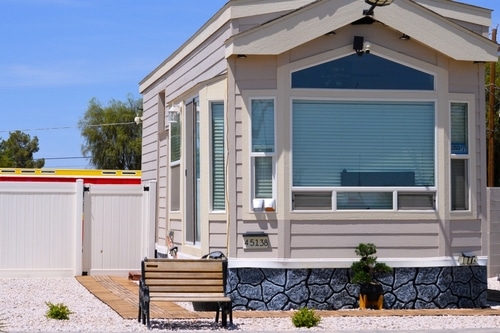
- Structural Concerns: Garages aren’t built for living, so the slab may be uneven or not strong enough to support interior finishes. Walls and roofs often lack proper insulation, weatherproofing, or seismic upgrades.
- Fire Safety & Egress: Most garages don’t meet fire safety standards. Inspections ensure essentials like fire-rated walls, proper exits, and smoke detectors are added to make the space safe.
- Moisture Control: Without moisture barriers or good drainage, garages are vulnerable to mold, rot, and ventilation issues. Inspectors check for water damage and ensure proper airflow.
- Electrical and HVAC: Many garage conversions use DIY wiring or awkward HVAC setups. A thorough inspection confirms these systems are safe, permitted, and properly installed.
What to watch for in backyard cottages (Detached ADUs)
Detached ADUs can seem more straightforward, but inspections are no less important:
- Foundation & Drainage: Small backyard units may be placed on slab or pier foundations that shift or settle. A structural inspection ensures long-term safety and stability.
- Fire Separation & Setbacks: Detached ADUs must meet local fire separation codes, especially if near property lines or neighboring homes. Inspectors review placement and materials used.
- Zoning and Utility Hookups: A professional will confirm that sewer, water, and electrical hookups are properly routed and permitted—especially critical for standalone units.
What are key inspection stages for ADUs?
Stage 1: Pre-construction inspection
Before any work begins, a pre-construction inspection helps determine whether the chosen space—whether it’s a garage, basement, or backyard—is actually suitable for an ADU. This stage involves assessing the site’s grading, soil stability, and existing infrastructure to make sure everything can safely support the planned construction.
Stage 2: Rough-in inspection
Once the framing is up and the basic systems—electrical, plumbing, and HVAC—have been installed, but before the walls are sealed, a rough-in inspection is conducted. This allows inspectors to verify that everything has been installed correctly and in compliance with building codes before it’s hidden behind drywall.
Stage 3: Final inspection
The final inspection happens when construction is complete. Inspectors check that all systems are working properly, safety features are in place, and the ADU meets all local codes. This sign-off confirms the space is safe and ready for occupancy.
Specialty inspections
Depending on your location, you might also need additional specialty inspections. These can include energy efficiency testing (like Title 24 compliance in California), as well as radon detection, mold assessments, or termite evaluations to address environmental or health concerns.
What’s the best house inspection company in Santa Fe?
You’ve just found it! At The Inspectors Company, we take pride in doing things the right way. Every inspector on our team is highly trained, carefully mentored, and held to the highest standards. Whether you’re in Santa Fe or a nearby area, we come prepared, take our time, and deliver a thorough, honest assessment of your property. From seasonal home inspections that catch weather-related wear and tear, to in-depth chimney and sewer inspections and careful checks of HVAC systems and ductwork, we leave no stone unturned. Get in touch with us today!