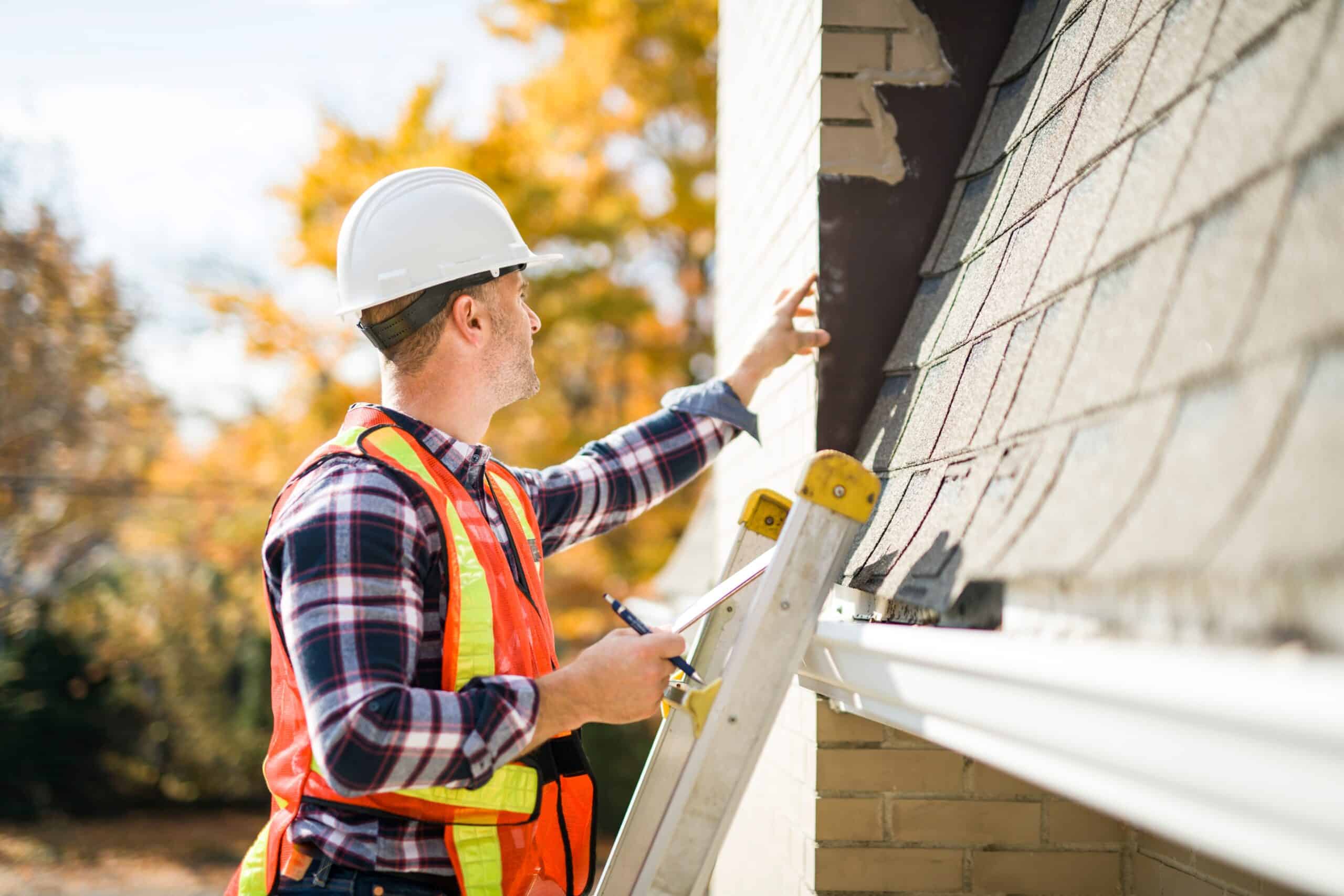
Your home may be standing still, but the elements around it are constantly shifting. Temperature swings, rain, snow, and sun all play a role in wearing down its exterior and interior systems. That’s why a single annual inspection isn’t always enough. Seasonal home inspections help uncover issues that only become visible during certain times of year—issues that can go unnoticed and grow more serious (and expensive) if left unchecked.
Let’s explore how each season reveals unique defects, and why checking your home seasonally is a proactive investment in its long-term value and safety. And with help from an expert home inspection company in Santa Fe, you can stay ahead of potential issues before they turn into costly repairs.
Why is seasonal home inspection important?
There are many reasons why is seasonal home inspection non-negotiable, but here are just a few common ones: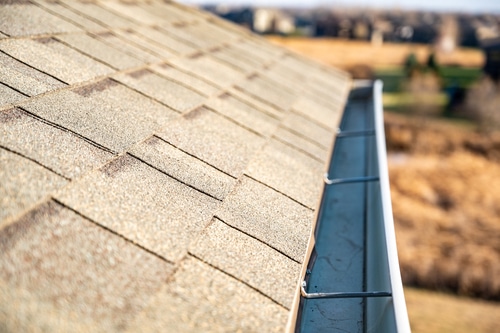
Winter: Cold air, dry interiors, and radiant heat strain
Winters here are cold, but not usually snow-heavy. With crisp, sunny days and freezing nights, your home deals with sharp temperature swings and extremely dry air. That makes winter the perfect time to inspect:
- Attic insulation and air leaks: With temperatures dropping into the teens at night, poorly insulated attics will show their flaws. Heat loss can lead to cold rooms and rising energy bills.
- Stucco cracking: The dry freeze-thaw cycle can cause fine cracks in stucco, especially on older homes or poorly maintained surfaces.
- Dry interior air effects: Prolonged dryness can lead to shrinkage of wood flooring or trim, and may highlight the need for a whole-home humidifier.
- Heating system performance: Radiant floor systems and forced-air furnaces both work overtime during cold snaps. Now’s the time to check for uneven heating or system strain.
Spring: Assessing water damage and grading problems
As winter fades and spring rolls in with heavy rains and shifting soil, it’s the perfect time to spot water-related problems around your home.
- Grading and yard drainage: When the snow melts and rain begins, poor grading becomes obvious. Look for water pooling near the foundation, which can lead to basement seepage or foundation erosion.
- Gutter performance: Overflowing or sagging gutters in spring often mean they were clogged during fall or winter, which can result in roof edge rot or siding damage.
- Foundation and concrete cracks: Spring’s freeze-thaw cycles can cause hairline cracks to expand. Now’s the time to inspect walkways, driveways, and foundation walls.
Summer: UV damage, roof health, and HVAC strain
Summer’s intense heat and sunlight can quietly wear down your home’s exterior over time. That’s why it’s important to focus on:
- Roof wear and tear: UV exposure can dry out shingles, causing them to curl or crack. Flashing and sealants can also degrade faster under direct sun.
- Siding and paint damage: Fading, warping, or peeling paint are all signs of UV and heat damage, especially on southern and western exposures.
- Attic ventilation: Poor ventilation can cause attic temperatures to spike, accelerating roof wear and driving up cooling costs.
- HVAC performance: This is when your AC system is pushed hardest. If it’s inefficient or improperly sized, it will struggle to keep up—spiking your utility bills and wearing down faster.
Fall: Dry weather, cold nights, and chimney season
Fall is generally dry and mild, but with much cooler nights. It’s a perfect transition season to prep your home before the winter freeze. In fall, prioritize:
- Roof and flashing inspections: Santa Fe’s monsoon season (late summer) may have stressed your roof. Look for worn flashing, damaged tiles or shingles, and clogged scuppers if you have a flat roof.
- Chimney and fireplace readiness: If you use wood-burning fireplaces or stoves, fall is the time to inspect for creosote buildup or bird nests before lighting the first fire.
- Window and door seals: With cold nights creeping in, check weather stripping and caulking to preserve indoor heat and block desert dust.
- Exterior stucco and paint: Dry air and intense summer sun can cause surfaces to fade, flake, or crack—especially on the west-facing side of your home.
Where can I find a dependable home inspection company in Santa Fe?
At The Inspectors Company, we don’t just meet industry standards—we go above and beyond to make sure every inspection is done right. Whether you’re in Santa Fe or the surrounding areas, our team is trained to deliver thorough, reliable inspections you can count on. We pay close attention to the details that matter most, from checking the foundation and structure to inspecting HVAC ducts, plumbing, and electrical systems. We’re also highly experienced with ADUs, so whether you’re converting a garage or building a backyard cottage, we know exactly what to look for to ensure everything’s up to code and safe to occupy. Our inspectors are trained, mentored, and constantly learning so you get more than just a report—you get a trusted guide who’s got your back.