
When a storm rolls through, it can leave behind more than puddles and debris. Believe it or not, there is often damage that cannot be seen at first glance, and the roof is usually the part that bears the brunt of it. Strong winds, heavy rain, and flying branches make it nearly impossible to examine it before the skies clear properly. But once they do, it is essential. A prompt inspection done by professionals can prevent minor issues before they escalate into costly repairs.
In this blog, we’ll walk you through what to look for after a storm, including visual cues you can check on your own, how to recognize signs of wind damage, and why scheduling a professional home inspection in Coronado should always follow your initial evaluation.
How to visually inspect a roof?
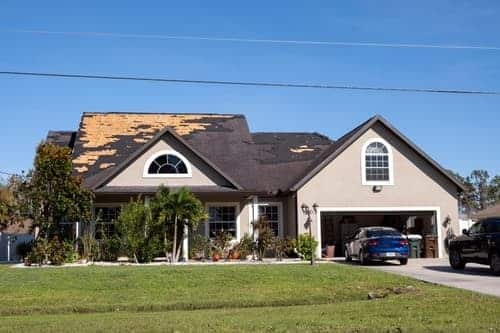 The first step after a storm is to conduct a thorough visual evaluation of your roof from the ground. This may sound difficult, but you can get by using binoculars or a camera with zoom. These tricks allow you to scan without climbing up and putting yourself at potential risk. Here’s what you should focus on:
1. Shingles and tiles
Look for pieces that are cracked, curled, lifted, or missing entirely. Even a single broken shingle can expose the underlayment to moisture.
2. Roof edges and ridges
These are more vulnerable to uplift during storms and may show early signs of wear.
3. Flashing around chimneys and vents
Loose or bent flashing creates an easy entry point for leaks.
4. Gutters and downspouts
Check for clogging caused by storm debris, which can force water under the roofline.
What’s visible on the surface doesn’t tell the whole story. Just as property inspectors uncover hidden issues like electrical hazards or outdated insulation, many roofing problems are invisible to the untrained eye. It may look fine from the ground, but your roof could be compromised underneath. For that reason, a professional home evaluation is crucial for complete peace of mind, complementing your own visual inspection.
How to tell if a roof is damaged by wind?
Wind damage can be sneaky. Unlike the obvious broken branches or shattered windows, the signs on your roof aren’t always that clear. You should look out for:
1. Lifted or loosened shingles
While they may still appear in place, they can flap or completely detach over time.
2. Granule loss
Check your gutters for excessive granules, which suggest that your shingles’ protective layer has, sadly, worn away.
3. Water intrusion inside the home
Stains on ceilings or walls after a storm are often linked to hidden roof damage.
4. Debris impact points
Branches and other flying objects can leave dents, cracks, or punctures that weaken the surface.
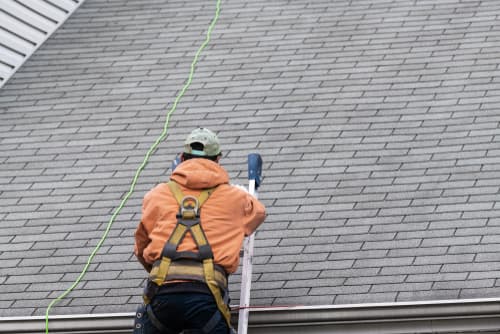
Coastal areas like Coronado are tricky. Strong gusts of wind can peel at vulnerable sections of roofing in ways that aren’t obvious right away. In areas near landmarks like Coronado Ferry Landing, trees and structures may shift wind patterns, but the key takeaway is always to have a professional inspection if you want to identify any damage.
It’s the same principle applied in other areas of inspection. For instance, just as a pool inspection may reveal structural issues you can’t see, or an insulation review can highlight where your home is losing energy, a storm-related roof investigation can uncover damage before it turns into an emergency repair.
Who do I contact for a home inspection in Coronado?
As you know by now, catching roof damage is essential for protecting your home. A visual inspection is helpful, but only a professional can perform a comprehensive home inspection that documents both visible and hidden issues, and do so in a safe manner.
That’s why we at The Inspectors Company ensure your roof and property remain secure, covering a wide range of services, including pre-listing, buyer, mobile home, and even mold inspections. Schedule your visit today and enjoy peace of mind knowing your home is safe.